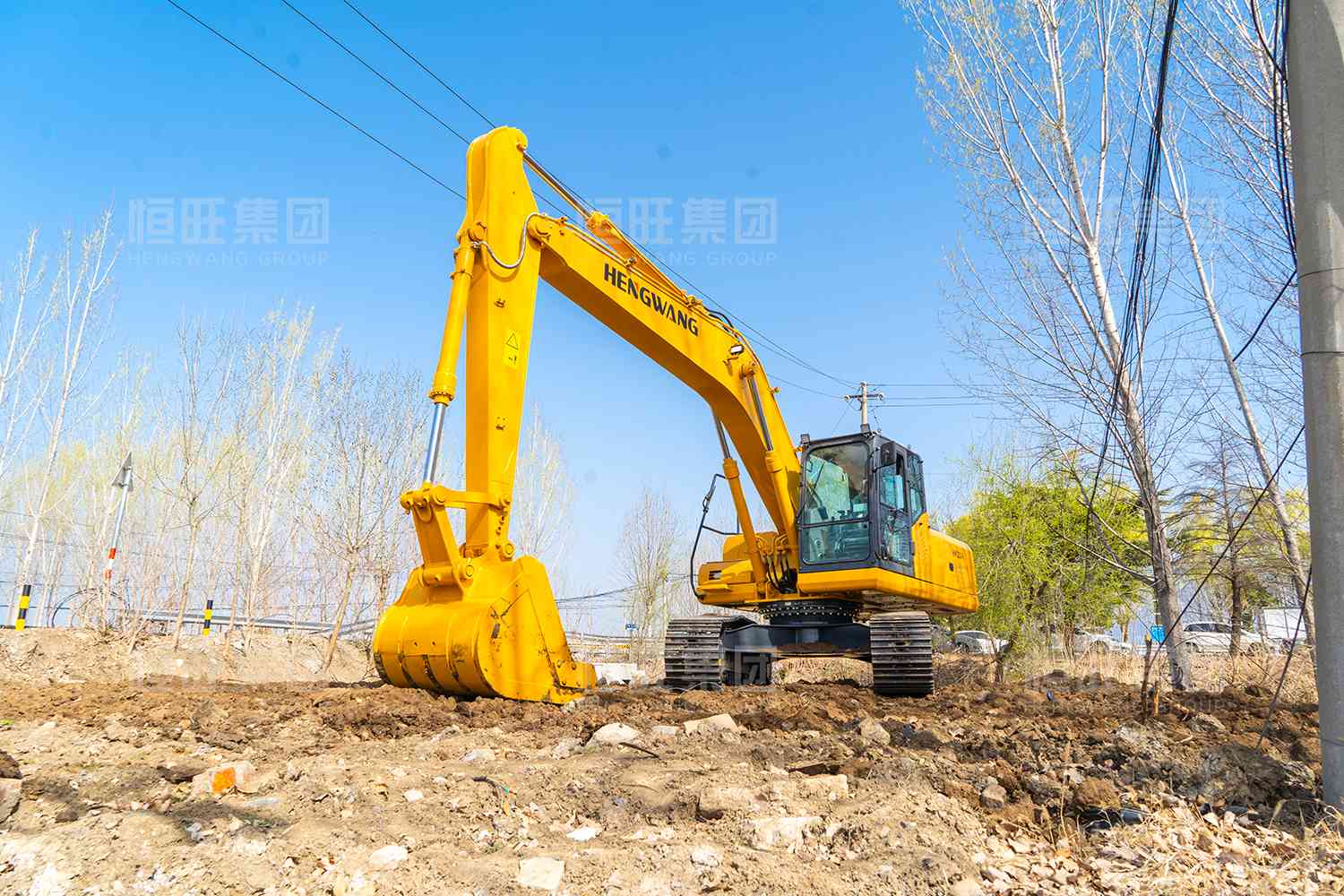
1. Core Causes of Excavator White Smoke Emission
Low Engine Temperature
When an excavator's engine runs too cold, the combustion chamber temperature drops, causing poor diesel atomization. Unburned diesel particles exit as white smoke, typically seen during cold starts.Incorrect Fuel Injection Advance Angle
A delayed injection timing (too small advance angle) leads to poor diesel atomization. Unburned fuel mixes with exhaust, forming white smoke.Poor-Quality Diesel Fuel
Using diesel with high water content or impurities causes water vapor to evaporate during combustion, producing white smoke. Long-term use damages the injection system.
2. 3-Step Troubleshooting & Solutions
1. Check Engine Temperature
After cold starting, let the excavator engine idle for 3-5 minutes until water temperature reaches 50°C+ before loading. This prevents white smoke from low-temperature operation.
If temperature stays low, inspect the thermostat, water pump, or cooling system.
2. Calibrate Fuel Injection Timing
Use professional tools to check the excavator’s injection advance angle (standard: 16°-22°) and adjust per the manual for precise fuel delivery.
3. Improve Fuel Quality
Use diesel as specified in the manual, avoiding fuel with >0.05% water content. Replace the diesel filter regularly to block impurities.
3. Mixed White/Black Smoke Faults in Excavators
Damaged Cylinder Head Gasket
A failed gasket allows coolant or oil into the combustion chamber:Coolant combustion → white smoke; oil combustion → black smoke, often with abnormal fluid loss.
Faulty Injector Atomization
Worn or clogged injectors cause uneven diesel atomization, leading to black smoke from incomplete combustion. Leaking fuel mixed with moisture may produce white smoke.Clogged Air/Diesel Filters
Dirty filters restrict airflow or allow contaminated fuel, causing insufficient combustion and black smoke with reduced power.
4. Maintenance Tips
If an excavator emits persistent white smoke, stop operation immediately to prevent engine damage (e.g., cylinder scoring from oil dilution).
For injection system repairs (pump/nozzles), consult certified technicians with calibration equipment to ensure precision.